Image SEO: The Complete Guide for Australian Websites in 2026
Image SEO explained. How to write alt text, choose file formats, compress images, and use image sitemaps to drive Google Images traffic and improve your Core Web Vitals.
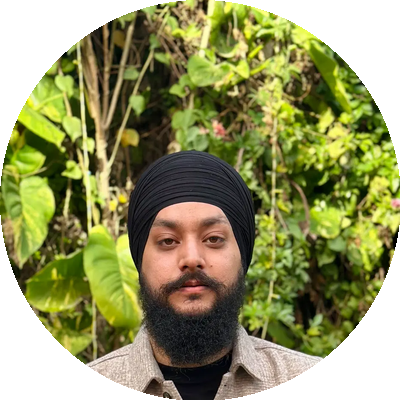
Bhavleen Singh
SEO Specialist, Khalis Marketing
Quick Answer: Image SEO is about making your images discoverable in Google Images (22.6% of all web searches), helping your pages load faster (images account for 50-75% of most pages' total weight), and making your content understandable to both search engines and AI systems. The three highest-impact actions: write descriptive alt text for every image, convert images to WebP format, and rename image files with descriptive keywords. Most Australian websites are missing at least one of these.
Most website owners spend hours on keywords and content.
Then they upload a file called IMG_3847.jpg with no alt text, uncompressed at 3.2MB.
Google Images drives 22.6% of all web searches. That is a traffic channel most sites completely ignore.
Here is how to stop leaving it on the table.
| 22.6% Of all web search traffic comes from Google Images | 63% Of websites have missing or inadequate alt text | 50-75% Of page weight is typically images | 187K Monthly Google Images impressions from one alt text fix (8 weeks) |
|---|
Sources: MetaGenius AI 2026 | SEOscore.tools 2026 | HTTP Archive Web Almanac 2025 | ImageSEO.io case study 2025
What Image SEO Actually Involves
Image SEO has four components that work independently from each other:
- Google Images traffic: Getting your images to appear in Google Images search results. Alt text is the single most impactful ranking factor here.
- Page speed: Images are the heaviest resource on most pages and the most common cause of failing LCP (Largest Contentful Paint) scores. Unoptimised images tank Core Web Vitals, which affects standard Google rankings.
- Content understanding: Google's vision systems read images semantically. Properly labelled images reinforce the topical relevance of the page they appear on.
- AI search visibility: A 2025 Semrush analysis found content with descriptive alt text and captions is significantly more likely to be cited in AI-generated search answers.
Alt Text: The Most Important Image SEO Signal
Alt text is the HTML attribute that describes what an image shows. It appears if the image fails to load, gets read aloud by screen readers, and gets indexed by search engines as the primary description of the image.
63% of websites have missing or inadequate alt text. The 2026 WebAIM Million report found home pages average 66.6 images, of which 16.2% are missing alt text entirely. Among those that do have alt text, 10.8% contain placeholder text like 'image' or repeat the file name.
The alt text formula that works [Image type] + [Primary subject] + [Action or state] + [Contextual keyword] Bad: alt='photo' Bad: alt='IMG_3847' Bad: alt='plumber plumbing services Melbourne plumber' (keyword stuffed) Good: alt='Licensed plumber fixing burst pipe under kitchen sink in Werribee home' Good: alt='Khalis Marketing SEO team reviewing website analytics on laptop' Good: alt='Before and after electrical switchboard upgrade in Hoppers Crossing' Target 50 to 125 characters. Descriptive, specific, naturally includes relevant terms. Decorative images (dividers, abstract backgrounds) should use alt='' (empty).
One real outcome from fixing alt text: an outdoor apparel ecommerce site with 12,400 product images and 61% empty alt attributes fixed them over 72 hours. Google Images impressions went from 48,000 per month to 187,000 per month in 8 weeks. No new content. No new pages. Just alt text.
Image File Names: The Second Signal
Google reads file names to understand image content before it even processes the alt text.
| Bad file name | Good file name |
|---|---|
| IMG_3847.jpg | burst-pipe-repair-werribee.jpg |
| photo1.png | khalis-marketing-seo-team-melbourne.jpg |
| product.jpg | nike-air-max-270-white-size-10-australia.jpg |
| screenshot.png | google-search-console-coverage-report-example.png |
Use hyphens between words, not underscores. Google reads hyphens as word separators. Underscores bind words together so 'burst_pipe_repair' is read as one word. Three to six descriptive words is the right length. Rename image files before uploading, not after.
Image Format: WebP Is the Standard in 2026
Image format comparison, file size and browser compatibility
| Search query | Buyer intent |
|---|---|
| AVIF | 25-50% smaller than WebP |
| WebP | 25-35% smaller than JPEG |
| JPEG | Standard, high compatibility |
| PNG | Lossless, use for logos/text |
| GIF | Animation only, use SVG or video |
Source: Digital Applied, Image SEO 2026 | HTTP Archive Web Almanac 2025
WebP is the default for 2026. It is universally supported across all modern browsers and delivers 25 to 35% smaller file sizes than JPEG at equivalent visual quality. AVIF offers 25 to 50% additional savings over WebP but has slightly lower browser support.
For most Melbourne business websites: convert all JPEGs and PNGs to WebP. Keep PNG only for images with text, logos, or where transparency is required.
WordPress: ShortPixel, Smush, or WP Rocket handle WebP conversion automatically. Shopify: Shopify converts to WebP automatically for supported browsers, no action needed.
Image Compression: Specific Targets by Use Case
| Image type | Target file size | Format |
|---|---|---|
| Hero / banner image | Under 300KB | WebP |
| Blog post images | Under 200KB | WebP or JPEG |
| Product images (ecommerce) | Under 150KB | WebP |
| Logo | Under 30KB | SVG or PNG |
| Team / staff photos | Under 100KB | WebP |
| Icon / decorative | Under 10KB | SVG or WebP |
Free compression tools: TinyPNG (web-based, batch processing), Squoosh (Google tool, excellent for WebP conversion), ImageOptim (Mac app). Run all images through one of these before uploading.
Lazy Loading: How to Implement It
Lazy loading means images below the fold load only when the user scrolls toward them. This improves initial page load time and LCP scores.
Add lazy loading with one attribute Before: <img src="team-photo.webp" alt="Khalis Marketing team Melbourne"> After: <img src="team-photo.webp" alt="Khalis Marketing team Melbourne" loading="lazy"> Do NOT add loading=lazy to your LCP image (the largest image visible on page load). Lazy loading the LCP image makes it load later, which increases LCP time and hurts rankings. Add loading=lazy only to images below the fold.
Image Sitemaps
An image sitemap tells Google about images on your site that might not be discoverable through normal crawling. This is particularly important for images loaded via JavaScript or images in galleries and sliders.
WordPress with Yoast or Rank Math includes image URLs in the standard XML sitemap automatically. Shopify includes product images in its auto-generated sitemap.
Sitemaps are covered in full at: XML sitemaps explained.
Image SEO for Ecommerce: The Biggest Opportunity
A 500-product Shopify store with 4 images per product has 2,000 images in Google's potential index. Each is a separate entry point from Google Images.
Priority for ecommerce image SEO:
- Alt text on every product image following the formula above
- WebP format with file size under 150KB per product image
- Product schema with the 'image' property marked up for rich shopping results
- Unique filename per image, not 'product-image-1.jpg' repeated across hundreds of products
More on ecommerce SEO: ecommerce SEO guide.
Frequently Asked Questions
Does image SEO affect my regular Google search rankings?
Alt text is a Google Images ranking signal, not a direct standard search ranking signal. However, image optimisation affects Core Web Vitals (LCP in particular), which does affect standard rankings. And Google uses image content as a supporting topical signal when evaluating page relevance.
Should I use stock photos or original images?
Original images consistently outperform stock in both engagement metrics and SEO. Stock images are often duplicated across thousands of sites, which provides no unique image signal. Real photos of your team, your work, and your location outperform any stock image on credibility, engagement, and unique content signals.
About the Author: Bhavleen Singh is the founder of Khalis Marketing. 10 years of SEO experience, Moz Technical SEO Certification, Master of Marketing from Victoria University.
Bhavleen Singh
SEO Specialist, Khalis Marketing
Bhavleen is an SEO specialist with 10+ years of experience helping businesses across retail, hospitality, medical, finance, and trades rank on Google. He founded Khalis Marketing to offer transparent, no-contract SEO that actually delivers results.
Continue Reading
Ready to grow?
Want results like these for your business?
Get a free SEO audit and find out exactly what it would take to grow your organic traffic and leads.